
Here's everything you need to know about getting a free eye test in the UK - and how to nab yours now. Please note, not all high street opticians offer this complimentary service, so it's always best to double-check with your local branch before booking your appointment.
AcuvueAir OptixBiofinityClaritiDailieseverclearFreshlookMiruPrecisionProclearSofLensTotalDaily Contact LensesTwo Weekly Contact LensesMonthly Contact LensesExtended Wear Contact LensesContact LensesToric Contact lensesColoured Contact LensesMultifocal Contact LensesSilicone Hydrogel LensesDry Eye TreatmentsEye DropsEye VitaminsHygiene & Lid CareEye Wash & Sprayseverclear Eye DropsHycosan Extra Eye DropsOptase® TTO Lid WipesOptase® Comfort Dry Eye SprayOptase® Moist Heat MaskArtelacOptaseHycosanPreserVisionSystaneMulti-purpose Cleaners & SalinesGas Permeable Travel PacksHydrogen Peroxideeverclear RefreshBiotrue DuoPackRenu MPS Multi-Purpose Solution 3 PackEasySept 3 PackAcuvue Revitalens 2 PackBostoneverclearOpti-FreeRenuAbout Vision DirectHelp CentreTrack&Return my orderBlogBuyers' GuidesFAQContact usDelivery InformationHow to read your contact lens prescriptionHow do I care for my contact lenses?Dry eyesBest contact lenses of 2026: updated rankingContact lenses and make-up: Which goes first?How does stress affect your eyesight?FREE everclear ELITE trialFREE everclear ADM trialPrice Match PromiseFREE deliveryView All TypesView All Eye Care BrandsView All BrandsView MoreAll Contact LensesClaim NowAll Eye CareAll SolutionsAll Help and NewsSee All Offers
Get a FREE eye test
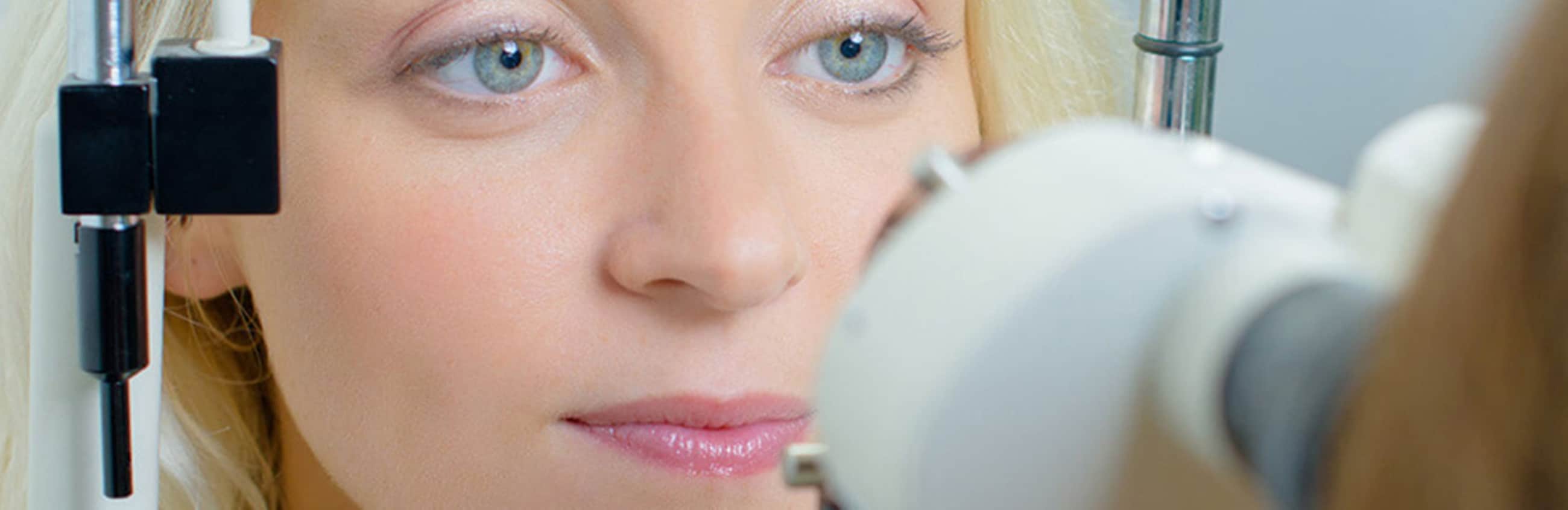
Why should you get an eye test?
Regular examinations ensure that prescriptions for glasses or contact lenses are up-to-date, providing optimal vision correction and comfort, but they can also identify early signs of eye diseases such as glaucoma, cataracts, and macular degeneration, often before noticeable symptoms arise. Early detection allows for timely intervention, potentially preventing vision loss. Eye tests are also great for monitoring your general health as an optician can reveal indicators of systemic health problems, including diabetes and high blood pressure. Changes in the eyes are sometimes the first signs of these conditions, enabling early management.
When should you have an eye test?
Adults: It's recommended that adults undergo an eye test every two years. However, individuals over 60 or those with a family history of eye conditions like glaucoma may require more frequent examinations.
Children: Children should have their first eye test at around three years old or before starting school. Regular children’s eye tests during their school years are essential to monitor visual development.
How to arrange an eye test
Arranging an eye test is a straightforward process:
Step 1: Choose an optician. Select a reputable optician or optometrist in your area.
Step 2: Book an appointment. Schedule an appointment at a suitable time. Many offer online booking systems for convenience. Inform the optician if you have any specific concerns or symptoms.
Step 3: Prep for your test. Bring your current glasses or contact lenses and any relevant medical information.
Eligibility for NHS-funded free eye tests
NHS funds free eye tests in the UK, for millions of eligible people across England, Scotland and Wales. Excluding branch promotions, most of the free eye tests provided by high street opticians are funded by the NHS. This means that if you have an eye condition or are on a low income, you're entitled to a free eye test, with an NHS optical voucher, at least every two years. So, why not make the most of it to lower your health costs and maximise your eye care?
You are eligible for a free NHS sight test if you or your partner receive:
• Income support
• Employment and support allowance
• Pension credit guarantee credit
• Income-based Jobseeker's Allowance
• Universal credit and meet certain criteria
• Certain tax credits
You may also be entitled to a free valid NHS sight test if you have an existing eye condition, or are at risk of glaucoma. You can visit the free NHS eye tests and optical vouchers page for the full terms and FAQs. If you've already paid for a sight test but qualify for a free eye test via the NHS, you may also be able to claim a refund on your sight test fees - visit the NHS website to find out more about your entitlement to an NHS voucher. This voucher will not cover the cost of your glasses or contact lenses.
Free eye tests for students and children
If you're 16, 17 or 18 years of age and are in full-time education then great news: you're eligible for free NHS-funded eye tests! How it works: the NHS works with high street opticians (Boots, Vision Express and Specsavers), as well as supermarkets (such as Tesco) to make free eye tests available for students. Those under 16 also get free NHS eye tests, whether they're studying or not, meaning that parents can keep on top of their children’s eye health and catch any eye problems as soon as possible for free.
What happens after an eye test?
If you haven't had your first eye examination yet, there's absolutely nothing to worry about. It’s a routine process during which a trained optometrist measures the quality of your eyesight to keep track of the health of your eyes, and work out what prescription and eye care would suit you best.
Taking an online eye test beforehand might ease your mind, as you'll get an idea of how they work. There are a million reasons why you should ensure you have regular eye tests or checkups and be proactive about your vision. Contact lenses are the easiest, most convenient option to go with, but you'll need to have a contact lens fitting that's a little different to a regular eye test. There, an ophthalmologist will actually measure the diameter of your eyes, to make sure the lenses fit your eyes and feel comfortable and let you know what type of lenses you'll need, including spherical for myopia or hyperopia, toric for astigmatism or multifocal for presbyopia.
Buying contact lenses online after an eye test
The only thing you need to look out for is what happens after your eye test. Once you get your results, you're well within your rights to leave your nearest store and use your prescription to get your dailies, two-weeklies or monthlies at a different retailer online (nudge nudge). And with our hassle-free ordering service, Price Match Guarantee, next day delivery, free 365-day returns guarantee and super-friendly, UK-based customer care, shopping with us after you’ve refreshed your prescription is a no-brainer. Oh, and we also offer a free contact lens trial of our bestselling dailies, everclear ELITE.