
• Reorder in 1 Click

Menopause, contact lenses and dry eyes: what you need to know

Three smiling women

Quick summary: Menopause and perimenopause can cause dry, scratchy, or stinging eyes because falling oestrogen levels reduce tear production and change the quality of your tears. Dry eyes are one of the most commonly reported symptoms of perimenopause and menopause, alongside hot flushes and mood changes, though they get far less attention.

If your contact lenses have started to feel scratchier than usual, or your eyes sting by mid afternoon, you're not imagining it. Menopause and perimenopause bring hormonal changes that can affect your eyes just as much as the rest of your body, and dry eyes are one of the most common symptoms women in their 40s and 50s tell us about.

You're also far from alone in this. Dry eyes are one of the most frequently reported symptoms of perimenopause and menopause, yet they rarely get the same attention as hot flushes or mood changes, so it's easy to feel like you're managing it on your own.

The good news is that you don't have to choose between comfortable eyes and wearing contact lenses. This guide, part of our Eye Care Centre, walks through why menopause affects your eyes, the symptoms to look out for, and the practical changes that can help you keep wearing your lenses comfortably.
Why menopause causes dry eyes for contact lens wearers

Oestrogen and androgen levels naturally decline during perimenopause and menopause, and both hormones play a part in keeping your eyes lubricated. As levels fall, many women produce less of the oil and moisture that make up a healthy tear film, so eyes are more likely to feel dry, gritty, or irritated. For contact lens wearers, this matters more than it does for glasses wearers, since a lens sits directly on the surface of the eye and relies on your natural tears to stay comfortable. When your tear film thins, even lenses you've worn happily for years can start to feel less comfortable, particularly by the end of the day or after long periods at a screen.

Some women also notice puffier or stickier eyelids during menopause, alongside their dry eyes. This is often linked to changes in the small glands along the eyelid edge that help keep your tear film stable, and it can make lenses feel gritty even when your eyes otherwise look fine.

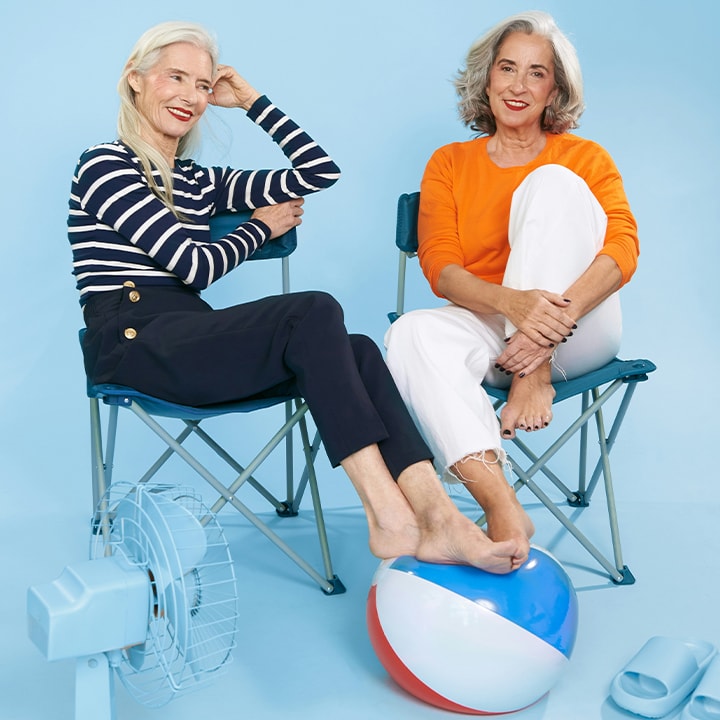
Two women sitting together

Common symptoms to look out for

Menopause related dry eyes can show up in a few different ways, and the symptoms often build gradually rather than appearing overnight. It's worth mentioning any of the following to your optician, especially if they're new to you:
  • Gritty, burning, or stinging eyes, particularly by the afternoon or evening
  • Redness, or a feeling that something is stuck under the lens
  • Increased sensitivity to bright light or screens
  • Blurred or fluctuating vision that comes and goes
  • Contact lenses that feel fine in the morning but uncomfortable by the end of the day
How menopause can change the way your contact lenses feel

Some women also notice a subtle change in the shape of their eyes during menopause, which can affect how a lens sits and moves. It's usually a small shift, but it can be enough to make a lens that used to feel invisible suddenly feel noticeable.

If this happens to you, it doesn't necessarily mean you need to give up on contact lenses altogether. Many people find that switching to fresh daily contact lenses, or to a lens made from a more breathable material, makes a real difference to comfort. Your optician can talk you through whether a different lens type, or a change to your prescription, would help.

Easing dry eyes while you keep wearing your lenses

There's plenty you can do to keep your eyes more comfortable through perimenopause and menopause, and small changes often add up to a noticeable difference:

  • Use eye drops for dry eyes designed for contact lens wearers, ideally preservative free
  • Stay hydrated, and try to include more omega-3 rich foods, such as oily fish, in your diet
  • Take regular breaks from screens and blink deliberately and often, since we all blink less when concentrating
  • Avoid rubbing your eyes, which can irritate already sensitive lids and lenses
  • Consider changing your lenses more frequently, or trying a different lens material, if dryness persists

If your eyes still feel uncomfortable after trying these changes, it's worth booking an appointment rather than pushing through the discomfort.

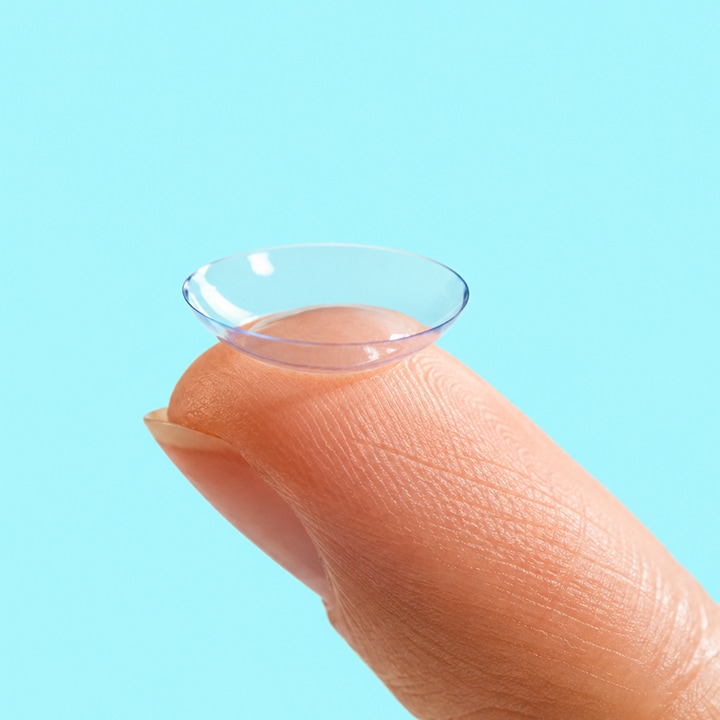
Contact lens on the tip of a finger
When to see your optician

Some symptoms need a proper check rather than home remedies alone. Book an eye test if you notice sudden or severe dryness, ongoing blurred vision, or lenses that have become consistently uncomfortable, since these can sometimes point to conditions separate from menopause, such as blepharitis or an eye infection.

It's also worth telling your optician if you're going through perimenopause or menopause, or if you're taking hormone replacement therapy, as this can help them understand your symptoms and recommend the right drops, lens type, or treatment for you.

The takeaway

Dry eyes and changing lens comfort are common experiences during perimenopause and menopause, but they're not something you simply have to live with. Small changes, from switching your eye drops to trying a different lens type, often make wearing contact lenses comfortable again, and your optician is there to help you find what works for your eyes.

Menopause affects everyone differently, and your eyes are no exception. Whether you need a quick change to your routine or a proper chat with your optician, there is a comfortable way forward that still lets you wear the lenses you are used to.

Older woman sitting on a step smiling
FAQs

Yes, menopause can cause dry eyes. Falling oestrogen and androgen levels reduce the oil and moisture in your tear film, which can leave eyes feeling dry, gritty, or irritated, especially if you wear contact lenses.

You can treat dry eyes during menopause by using lubricating eye drops designed for contact lens wearers, staying well hydrated, taking regular breaks from screens, and speaking to your optician about whether a different lens type would suit you better.

Menopause itself doesn't usually change your prescription, but the hormonal changes involved can make your eyes feel different day to day, so it's worth booking a check up if your vision feels less stable than usual.

Some women find that hormone replacement therapy affects their dry eye symptoms, although the impact varies from person to person, so it's best to discuss this with your GP or optician if you're considering it.

You should get an eye test at least every two years, or sooner if you notice any changes to your vision, comfort, or lens fit, so your optician can catch and treat any issues early.

WE ACCEPT