Hay fever and contact lenses - our tips

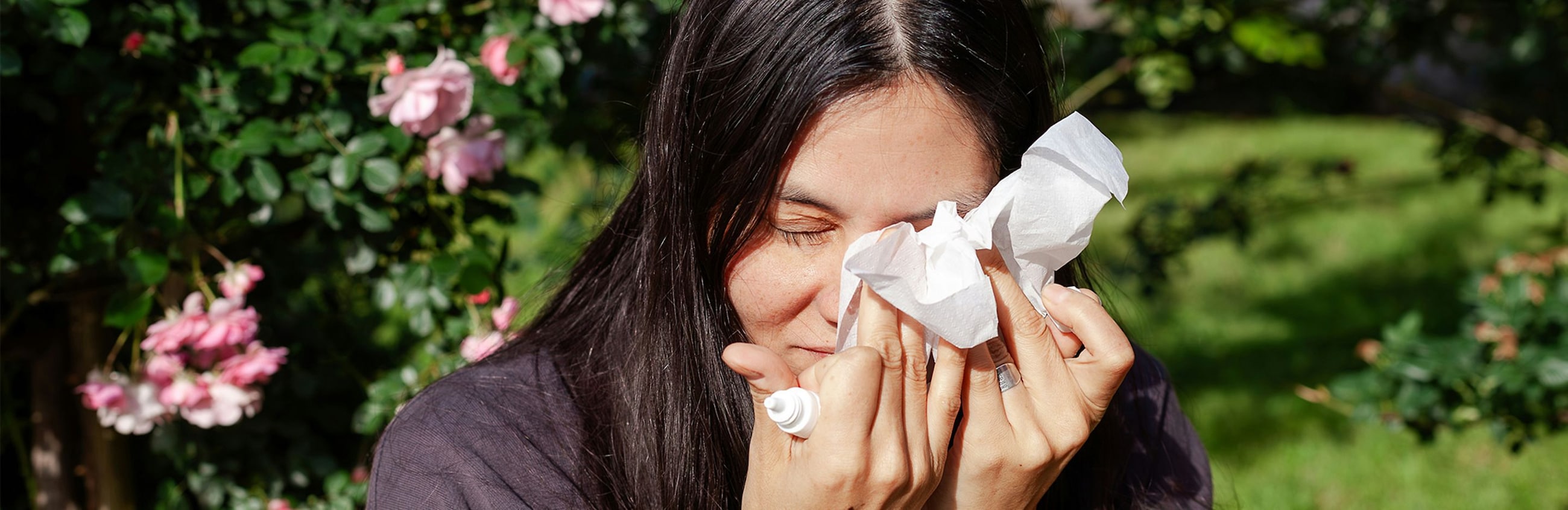
Woman dries eyes with tissue after applying eye drops

The days are getting longer, the weather is warming up, and flowers are in bloom – for many, this can only mean one thing: hay fever season is here. This season can be especially challenging for contact lens wearers, as airborne allergens like grass pollen, tree pollen and weed pollen come into contact with your eyes and nose. This can trigger symptoms of hay fever such as sneezing, itchy and dry eyes, watery eyes, and general discomfort.

But don’t worry – with the right lens choices and smart spring eye care tips, you can enjoy comfortable vision throughout the season. Here's how to manage hay fever symptoms, take care of your lenses, and protect your eye health this spring and summer.

How to prevent eye complaints from hay fever 
1. Keep your contact lenses clean

Switching to daily disposable contact lenses during hay fever season can make a big difference. Starting each day with a fresh pair of lenses helps minimise the build-up of allergens. If you wear reusable lenses, it’s important to use a preservative-free cleaning solution and practise good lens hygiene to avoid irritation or the risk of an eye infection.

2. Avoid rubbing your eyes

We know it's tempting, but rubbing your eyes can worsen itchiness and spread allergens. Instead, soothe your eyes with eye drops, cold compresses, or preservative-free artificial tears. If you're new to putting eye drops in, then be sure to check out our handy guide on how to put in eye drops.

Man rubs eye with palm of his hand
3. Try antihistamines or mast cell stabilisers

Oral antihistamines or mast cell stabilisers (allergy medication) can help relieve hay fever symptoms like sneezing and watery eyes. For targeted relief, over-the-counter antihistamine eye drops are available. Check with your optometrist or eye care professional to find the best option for your lens wear.

4. Wear sunglasses outdoors 

Sunglasses help protect your eyes from pollen grains, wind and UV rays. For extra protection during high pollen count days, opt for wraparound sunglasses that shield your eyes from all angles. 

Woman wears sunglasses smiling
Contact lenses and heat: what you need to know
Contact lenses and swimming 

Swimming pools contain chlorine and bacteria, which can trigger irritation or even an allergic reaction. If you swim with lenses, wear goggles and dispose of daily lenses after. 

Contact lenses and saunas 

Wearing contact lenses in a sauna isn’t recommended due to the heat, dry air, and risk of infection. High temperatures can cause lenses to dry out or warp, leading to discomfort and blurry vision. The dry environment also reduces eye moisture, increasing irritation. You can wear contact lenses in saunas, but the heat may contribute to dry eyes so either take them out before heading in or use dailies and dispose of them once you leave. Rehydrate with eye drops post-sauna to stay comfortable.

Man sits in sauna
Sun and UV protection 

Although many contact lenses include UV protection, they don’t cover the whole eye. Always wear sunglasses to avoid side effects from excessive sun exposure. 

Air conditioning 

Air con can dry out the air and your eyes too. Use artificial tears to relieve dry eyes and consider using air purifiers to limit airborne allergens indoors. 

How to care for your eyes during hay fever season
  • Stay hydrated and use lubricating drops throughout the day.

  • Practise good hygiene: wash your hands before touching lenses and use fresh cleaning solution.

  • Avoid outdoor activities during peak pollen count times of the year (often in late March and early summer).

  • Wear sunglasses when outside and avoid applying sunscreen too close to your eyes.

Myth busting: hay fever and contact lenses


Myth: Contact lenses melt in the sun. 

Fact: Lenses won’t melt on your eyes. Just wear sunglasses to keep them cool. 

Myth: Sunscreen damages contact lenses. 

Fact: It’s safe as long as it doesn’t get into your eyes. Wash your hands before inserting lenses. 

Myth: Lenses don’t protect from pollen. 

Fact: Daily disposable lenses offer protection by minimising allergen exposure. Combine with wraparound sunglasses for best results. 

Myth: Staying indoors eliminates allergy risk. 

Fact: Pollen grains can enter through windows and build up indoors. Regular cleaning and using an air purifier can help prevent allergic conjunctivitis. 


Woman applies sunscreen to her face

Hay fever doesn’t have to put a stop to contact lens wear. With the right daily disposable lenses, antihistamines, and smart habits, you can avoid allergy eye symptoms and continue to enjoy clear, comfortable vision. Need advice? Book an eye exam or speak to your optician today.

Related links

WE ACCEPT